
The Ayurvedic view
Diabetes as a disorder of metabolism, not only of sugar
Classical Ayurveda describes diabetes within madhumeha, one of the prameha group of disorders. The emphasis is on impaired metabolism — weak agni, disturbed kapha and medas — rather than on a single blood value.
In practice this changes what treatment looks like. Instead of aiming only to push a number down, an Ayurvedic programme works on digestion, body composition, sleep, stress and daily routine, because those are what drive insulin resistance over years. Blood sugar and HbA1c remain the measures of progress — they are checked before, during and after the programme.
Two people with the same HbA1c may receive very different plans. One with excess weight, heaviness after meals and sedentary work is treated for kapha-medas predominance; another who is thin, stressed and losing weight is treated quite differently. This is why a personalised assessment matters more than any single remedy.
Herbs commonly used for blood sugar control
Kerala practice draws on bitter and astringent dravyas. The most frequently prescribed are gudmar (Gymnema sylvestre), karela (bitter gourd), methi (fenugreek seed), jamun seed powder, amla, haridra (turmeric) and classical formulations such as Nishakathakadi kashayam, Nisha-amalaki and Chandraprabha vati.
These are effective as part of a supervised plan, not as substitutes for medication. Herbs that lower blood sugar can interact with oral hypoglycaemics and insulin, so dosage is set by a physician and readings are monitored. Continue your prescribed medicines unless your treating doctor advises otherwise.
Diet that works in a Kerala home
- Replace polished white rice with matta rice in measured portions, or millets such as ragi, kodo and little millet.
- Fill half the plate with vegetables; add a pulse at every main meal for slower glucose release.
- Keep meal times regular, avoid late dinners, and leave four to five hours between meals so agni recovers.
- Limit coconut oil quantity rather than eliminating it, and avoid deep-fried snacks, bakery items and sweetened tea.
- Walk for ten to fifteen minutes after lunch and dinner — one of the simplest ways to reduce post-meal spikes.
How assessment works at Ayurgramam
Clinical assessment first
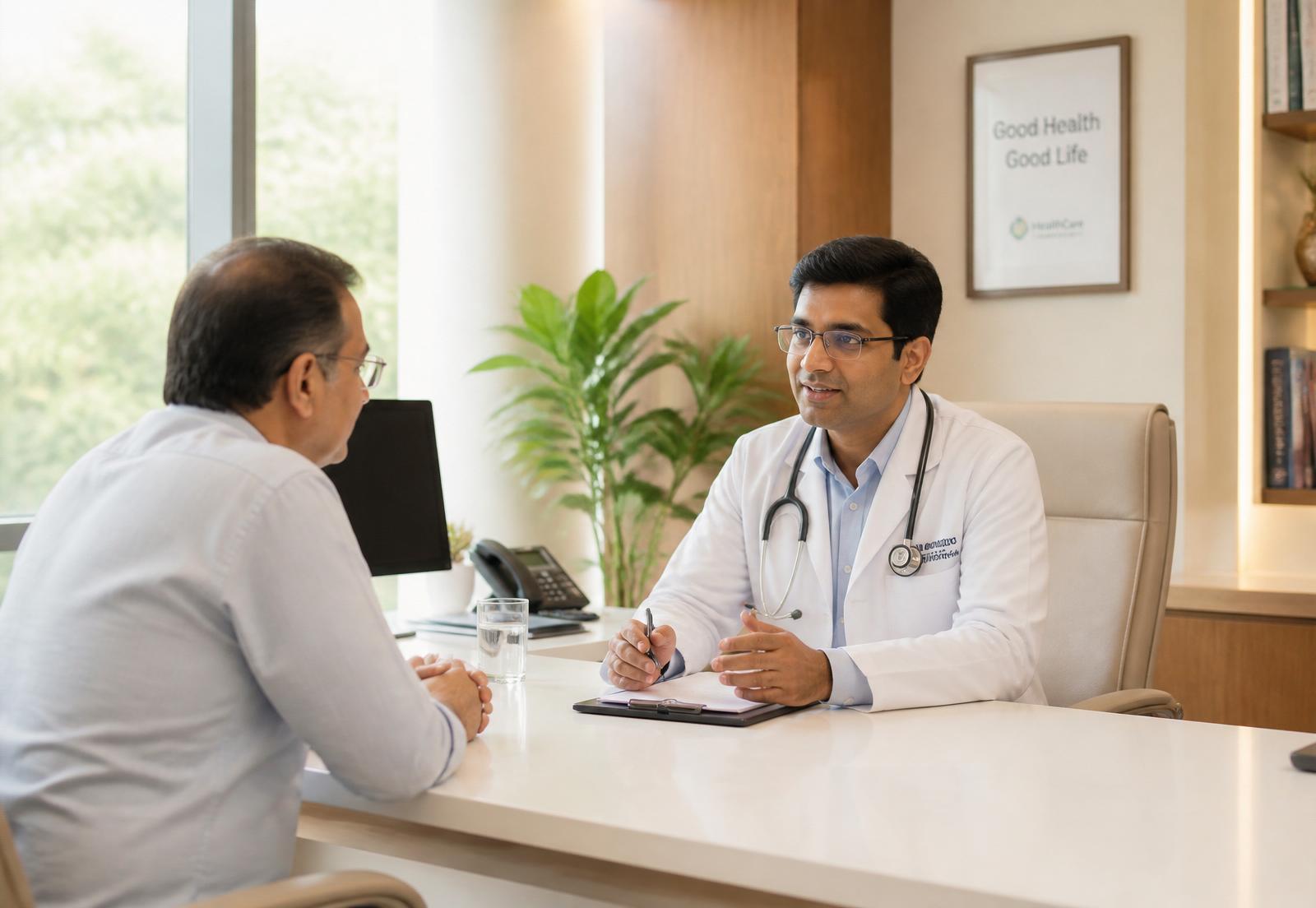
Blood sugar and HbA1c review, medication history, digestion, sleep, stress, weight trends and complication screening, alongside classical Ayurvedic examination of prakriti and agni.
Diet designed for Kerala kitchens
A practical plan built around foods you already cook — millets and hand-pounded rice in place of polished rice, more vegetables and pulses, controlled oil, and meal timing that steadies post-meal sugar.
Herbal medication
Internal medicines are prescribed by qualified physicians and reviewed against your readings rather than taken as fixed home remedies.
Movement and daily routine
Dinacharya, walking after meals, yoga suited to your joints and stress management — the parts of care that decide long-term insulin sensitivity.
Therapies where indicated
Udvartana, Takradhara, Abhyanga and selected Panchakarma procedures are used when assessment supports them, especially for obesity, neuropathy and fatigue.
Structured follow-up
Review at four to six week intervals with repeat investigations, so the plan is adjusted to your actual numbers rather than left unchanged.
Care is delivered at our Diabetes Centre, with Panchakarma support described on the Panchakarma and wellness page. Patients outside Kerala can begin with an online consultation.
Frequently asked questions
- Can Ayurveda cure diabetes?
- Ayurveda does not offer a guaranteed cure. What a structured Ayurvedic programme aims for is better blood sugar control, improved digestion and energy, fewer complications and, in some early-stage cases, a reduced need for medication under medical supervision. Outcomes vary between individuals.
- Which Ayurvedic herbs are used for blood sugar control?
- Classical practice commonly uses bitter and astringent herbs such as karela (bitter gourd), methi (fenugreek), gudmar (Gymnema sylvestre), amla, haridra (turmeric), jamun seed and nisha-amalaki combinations. Doses and combinations are chosen after assessment; self-medication is not advised.
- Should I stop my allopathic diabetes medicines?
- No. Never stop or reduce prescribed medication on your own. At Ayurgramam, Ayurvedic care runs alongside your existing treatment, and any change is made gradually with monitoring of blood sugar values.
- How long does an Ayurvedic diabetes programme take?
- Most patients follow a structured plan over three to six months, beginning with an intensive phase of two to four weeks and continuing with diet, medication and review at four to six week intervals.
- Is Panchakarma safe for people with diabetes?
- Selected Panchakarma procedures are used for diabetes, but only after assessing sugar control, kidney and nerve status, and general strength. Procedures are supervised by qualified physicians and adapted to each patient.